Tesla Goes Fully Driverless in Austin, but Its Robotaxi Fleet Is a Fraction of Waymo's
Tesla pulled the human safety monitors and blanketed the entire Austin metro with robotaxis. Regulatory filings tell a smaller story: barely two dozen driverless cars actually on the road.
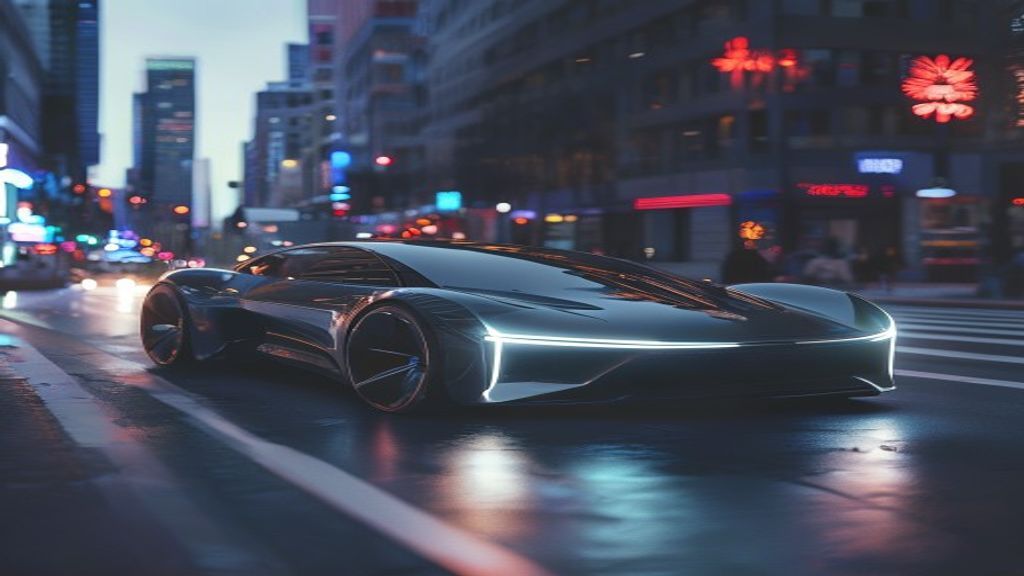
On June 3, 2026, Tesla flipped a switch that Elon Musk had promised for the better part of a decade: across the entire Austin metropolitan area, its Model Y robotaxis began carrying passengers with no human safety monitor on board. It was a genuine milestone in autonomous driving, and, almost in the same breath, a study in how far Musk’s marketing runs ahead of the metal on the road.
Because behind the map blanketing a major American metro sits a fleet of roughly 20 vehicles, a number that has been shrinking, not growing.
What actually changed
The path to driverless was gradual. On January 22, 2026, Tesla began offering Model Y robotaxi rides in Austin without a human safety monitor in the passenger seat, the first time its vehicles operated truly unsupervised. A Texas driverless-vehicle law took effect on May 28, and Tesla self-certified its vehicles to “Level 4” autonomy the same day, creating the legal basis for unsupervised commercial operation. On June 3, it expanded that operation to the whole metro.
“No safety monitor” is the headline phrase, and it means what it says: for the first time, there is no Tesla employee in the car ready to grab the wheel.
The numbers behind the headline
The scale, however, is tiny. Regulatory filings show Tesla has just 42 vehicles authorized for driverless ride-hailing in Texas, with reporting suggesting only around 20 actively running at any time. That is less than one-tenth the size of Waymo’s fleet in the state.
The contrast with the market leader is stark. Waymo operates roughly 3,000 robotaxis across U.S. markets and completes more than 500,000 paid trips a week, with plans to add ten more cities by the end of 2026. Tesla’s achievement is real, full driverless operation, self-certified, in a major metro, but as a business, it is still a pilot.
Musk’s nationwide promise
Musk is undeterred. In January he said Tesla would have a “widespread” U.S. robotaxi network by the end of 2026, reaching somewhere between a quarter and half of the American population, pending regulatory approval. Mass production of the purpose-built Cybercab began at Giga Texas in April. The strategy hinges on Tesla’s camera-and-AI approach scaling cheaply once the software is good enough, a bet that, if it pays off, could expand far faster than Waymo’s sensor-heavy cars.
If.
The credibility question
The reason for skepticism is Musk’s own record. He predicted a million robotaxis by 2020. In mid-2025 he said autonomous ride-hailing would reach half the U.S. population by the end of that year. Neither happened. Each new timeline arrives wrapped in the confidence of the last one, and investors have learned to discount accordingly even as Tesla’s valuation leans heavily on the autonomy story.
There is also a regulatory wrinkle worth watching: Tesla self-certified to Level 4 under the new Texas law. That places enormous weight on the company’s own safety judgment, with far less independent pre-deployment scrutiny than a cautious observer might expect for cars driving the public with no one behind the wheel.
Why it matters
Strip away the hype and there are two true things here at once. Tesla has, in fact, put fully driverless cars onto the streets of a major American city, a hard technical and regulatory feat. And it has done so at a scale so small that calling it a “network” is, for now, aspirational.
The number that matters next is not the size of the map but the size of the fleet, and whether Tesla can grow it beyond Texas without an incident that resets the clock. Until then, the gap between Musk’s promise and Tesla’s odometer remains the real story.
Sources
Tesla Elon Musk robotaxi self-driving Waymo